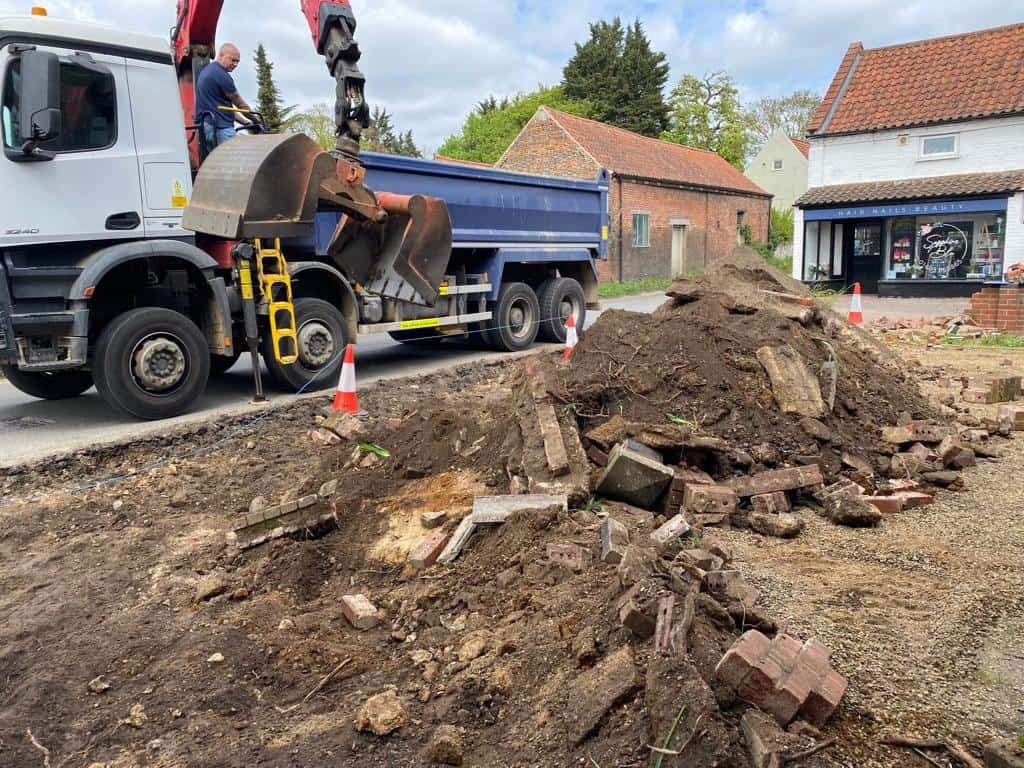
How Regular Inspections Can Help Maintain Tar and Chip Roadways
Tar and chip roadways provide a durable, textured surface that can perform well under regular vehicle use when properly installed and maintained. However, like any outdoor surfacing, they are exposed to changing weather, traffic and gradual wear. Small defects can develop over time, and leaving them unaddressed may lead to more extensive surface deterioration.
Regular inspections help identify early signs of damage and allow maintenance to be planned before minor issues become more disruptive. For property owners and those responsible for private access roads in Hawkhurst, Kent, understanding what to look for can help protect the condition and usability of tar and chip surfaces.
Why Regular Inspections Matter for Tar and Chip Surfaces
Tar and chip surfacing, also known as surface dressing, consists of a bituminous binder covered with stone chippings. The binder holds the aggregate in place, creating a textured surface that provides a practical finish for roadways and access areas.
Over time, vehicle movements, rainfall, temperature changes and general exposure can affect the bond between the binder and the stone. Inspections help establish whether the surface is wearing evenly and whether any areas require attention.
Rather than waiting for obvious damage to appear, checking the roadway periodically makes it easier to recognise gradual changes and arrange appropriate maintenance.
Identify Loose or Missing Stone Chippings
One of the most noticeable signs of wear on a tar and chip roadway is the loss of surface aggregate. Some loose chippings can be expected following a new installation, but persistent or increasing stone loss may indicate that the surface is deteriorating.
During an inspection, look for areas where the binder is becoming exposed or where the stone coverage appears noticeably thinner than the surrounding surface. Concentrated aggregate loss may occur along frequently used sections, turning areas or vehicle entrances.
Identifying these locations helps determine whether further assessment or localised maintenance is needed. Addressing the problem at an appropriate stage can help prevent the affected area from becoming more exposed to traffic and weather.
Check for Cracking and Surface Deterioration
Cracks can develop as a roadway ages, particularly where the underlying structure moves or the surface experiences repeated stress. Temperature fluctuations and water penetration can also contribute to deterioration.
Inspections should include a check for visible cracks, worn patches and areas where the surface appears uneven. Small cracks may initially seem insignificant, but they can allow water to reach the underlying layers. Repeated traffic and changes in weather may then contribute to further damage.
Recording the location and development of cracks makes it easier to monitor whether they are remaining stable or becoming more pronounced.
Look for Drainage Problems and Standing Water
Effective drainage is essential for maintaining tar and chip roadways. Water that remains on the surface can gradually weaken vulnerable areas, particularly where cracks or defects are already present.
After rainfall, check whether water drains away as expected or collects in depressions. Persistent puddles may indicate uneven levels, blocked drainage routes or changes in the surface profile.
It is also worth checking the edges of the roadway, where water can collect if the surrounding ground or drainage arrangements are unsuitable. Identifying these issues early can help prevent avoidable deterioration and maintain a more consistent driving surface.
Monitor Edges and Frequently Used Sections
The edges of tar and chip roadways can be particularly vulnerable to damage if they are unsupported or regularly driven over. Vehicles turning, reversing or passing close to the boundary may gradually disturb the surface.
Inspections should include entrances, junctions, bends and areas where vehicles frequently stop or change direction. These locations often experience different stresses from the main roadway.
Look for crumbling edges, displaced chippings and signs of movement. Keeping these sections in good condition helps maintain a neat boundary and reduces the risk of deterioration spreading into the main surface.
Keep a Record of Changes Over Time
A single inspection provides a useful overview, but comparing observations over time can reveal patterns that might otherwise be missed.
Keeping simple notes about the condition of different sections can help track recurring problems, such as aggregate loss in high-traffic areas or standing water after heavy rainfall. Photographs can also make it easier to compare changes and decide when professional attention is needed.
Inspection frequency should reflect the roadway’s age, usage and exposure to weather. Surfaces carrying frequent or heavier traffic may benefit from closer monitoring than lightly used access routes.
When to Arrange Professional Maintenance
Routine visual checks can help identify potential problems, but some defects require a more detailed assessment. Widespread stone loss, developing cracks, persistent drainage issues and significant surface unevenness should be examined to establish the underlying cause.
Professional assessment can help determine whether localised repairs are suitable or whether more extensive work is needed. It is important to address the cause of deterioration rather than simply covering visible defects, as unresolved problems may continue beneath the surface.
Hawkhurst Driveways provides driveway and surfacing services in Hawkhurst, Kent, helping property owners maintain practical, well-presented outdoor surfaces.
Conclusion
Regular inspections play an important role in maintaining tar and chip roadways. By checking for loose chippings, cracks, drainage problems and edge deterioration, property owners can recognise early warning signs and arrange suitable maintenance before damage becomes more extensive.
If your tar and chip roadway is showing signs of wear or you would like advice on maintaining its condition, contact Hawkhurst Driveways to discuss your surfacing requirements in Hawkhurst, Kent.
Call us on: 01580 234 695
Click here to find out more about Hawkhurst Driveways
Click here to complete our contact form and see how we can help with your driveways.