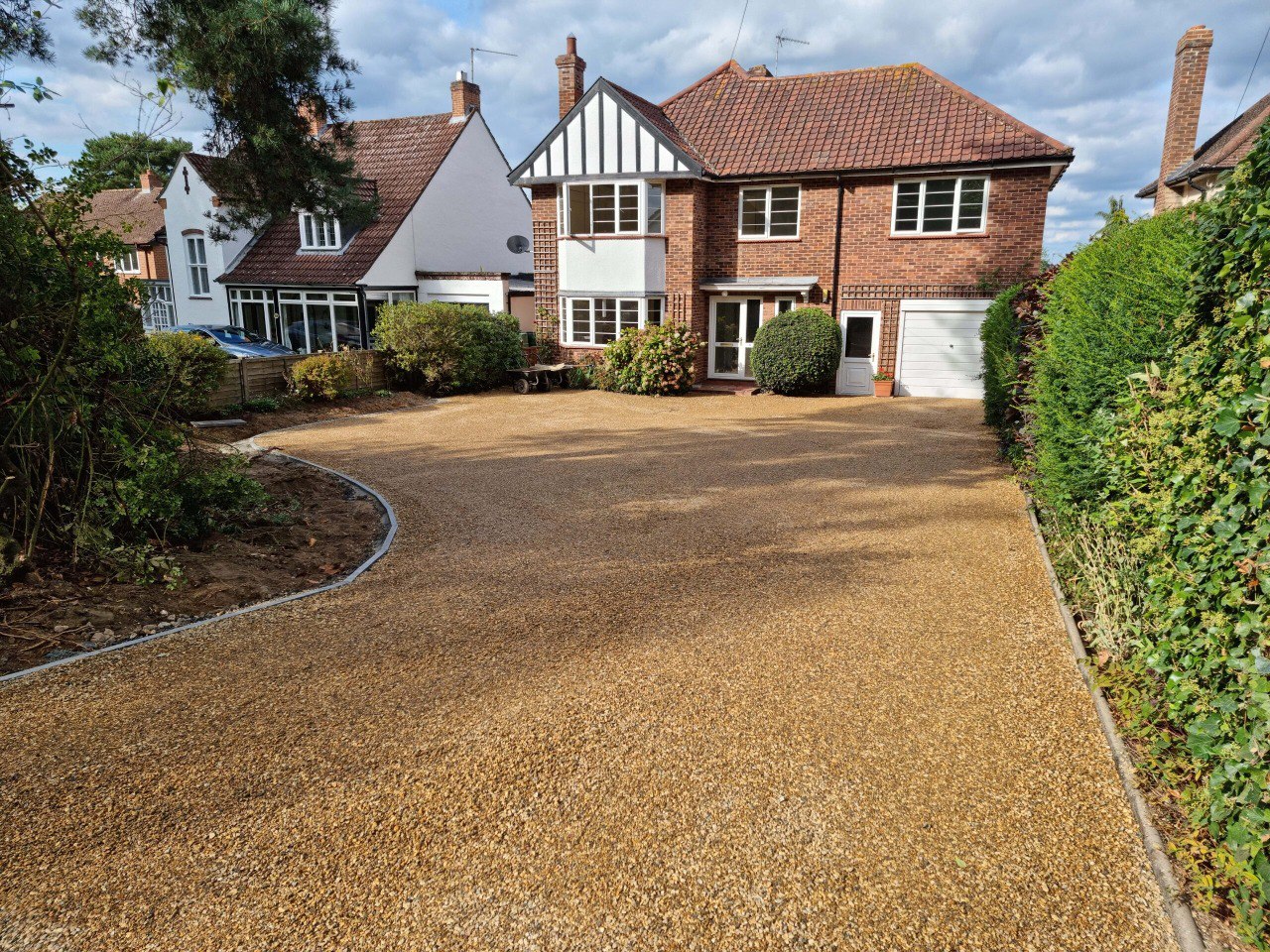
Tarmac Surfacing for Newbuild Developments: Key Considerations
Tarmac surfacing is a practical choice for newbuild developments, providing a smooth, durable finish for driveways, access roads, parking areas and shared routes. When planned and installed correctly, it can help create a tidy, functional environment that complements the surrounding properties and supports everyday use.
For developers and property owners in Hawkhurst, Kent, choosing the right surfacing solution involves more than selecting the finished material. Ground conditions, drainage, traffic requirements and the order of construction work can all influence the quality and long-term performance of the surface. Understanding these factors early helps ensure the completed development meets its practical requirements.
1. Assess the Requirements of the Development
The first step is to identify how each tarmac surface will be used. A residential driveway has different demands from a shared access road or a parking area serving several properties.
Consider the expected level of traffic, the types of vehicles using the development and the frequency of use. Areas regularly accessed by delivery vehicles or service traffic may require a different construction specification from spaces intended primarily for cars.
The layout should also provide convenient access to individual properties, turning areas and parking spaces. Careful planning helps reduce awkward manoeuvres and ensures the surfacing supports the development’s overall design.
Hawkhurst Driveways can help assess surfacing requirements and identify practical considerations before installation begins.
2. Prepare the Ground and Sub-Base Properly
The quality of a tarmac surface depends heavily on the foundation beneath it. If the ground is weak, uneven or poorly compacted, the finished surface may develop ruts, cracks or depressions as it settles under repeated use.
Before surfacing begins, the ground should be assessed and prepared appropriately. Unsuitable material may need to be removed, and the formation should be brought to the correct levels. A suitable sub-base must then be installed and compacted to provide stable support.
The depth and composition of the supporting layers should reflect the ground conditions and intended traffic. There is no single specification that suits every newbuild development, which makes an assessment of the site particularly important.
Investing attention in ground preparation helps create a stronger foundation and reduces the risk of premature surface failure.
3. Plan Drainage and Surface Levels
Drainage is a key consideration for newbuild tarmac surfacing. Rainwater that collects on the surface can affect usability, while water entering the pavement structure may weaken the supporting layers over time.
The design should establish suitable gradients to direct water towards appropriate drainage points. Levels must be coordinated with entrances, footpaths, kerbs, garage thresholds and other adjoining features to avoid creating low spots or awkward transitions.
In Hawkhurst, Kent, local site conditions should be considered when deciding how surface water will be managed. The surfacing design should work with the wider development layout rather than treating drainage as an afterthought.
Careful coordination between groundworks and surfacing helps ensure that the finished areas drain effectively and remain practical throughout the year.
4. Choose a Suitable Tarmac Specification
Tarmac surfacing can be adapted to suit different applications, but the material specification must match the intended use. The surface layer needs to provide a suitable finish, while the layers beneath it must support the expected loading.
For residential driveways, the priorities may include a smooth finish, dependable performance and a neat appearance. Shared access roads and parking areas may require a construction designed to cope with more frequent vehicle movements and greater loading.
The choice of materials should also account for how the surface will connect with other parts of the development. Consistent levels, tidy edges and appropriate transitions help create a professional finish across the site.
An experienced surfacing contractor can help determine the appropriate approach once the site conditions and intended use have been established.
5. Coordinate Surfacing with the Construction Programme
Newbuild developments involve several stages of work, and the timing of tarmac installation can affect the finished result. Surfacing too early may expose the new surface to heavy construction traffic, plant movements or damage from subsequent building activities.
Ideally, the installation schedule should be coordinated with groundworks, drainage, kerbing and other external works. Heavy construction activity should be managed to reduce the risk of disturbing the prepared base or damaging newly laid tarmac.
Access must also be considered while work is underway. A clear installation plan helps contractors complete the surfacing efficiently while reducing disruption to other activities on site.
Good coordination supports a cleaner finish and helps protect the completed surface during the final stages of the development.
6. Focus on Consistent Workmanship and Finishing Details
On a newbuild development, the quality of the finish influences both appearance and everyday usability. Uneven levels, poorly formed edges and inconsistent compaction can undermine an otherwise well-planned surface.
Attention should be given to the joints between sections, the edges beside kerbs and the transitions to driveways, paths and entrances. These details help create a uniform surface and reduce potential weak points.
The completed tarmac should be inspected for visible defects, standing water and uneven areas. Identifying issues promptly allows them to be assessed before the development is fully occupied and the surfaces experience regular use.
7. Consider Long-Term Maintenance
Although tarmac is designed for regular use, appropriate maintenance helps preserve its condition. Newbuild developments should have a straightforward process for checking surfaces, keeping drainage points clear and identifying early signs of wear.
Cracks, localised depressions and damaged edges should be assessed rather than left to deteriorate. Early attention can help prevent water penetration and limit further damage to the underlying structure.
A well-constructed surface combined with sensible maintenance can support reliable performance and help the development retain a neat, well-kept appearance.
Conclusion
Tarmac surfacing for newbuild developments requires careful consideration of traffic requirements, ground preparation, drainage, material specification and construction scheduling. When these elements are planned together, the result is more likely to provide a durable, practical surface that complements the finished development.
Hawkhurst Driveways can help developers and property owners plan tarmac surfacing suited to their project in Hawkhurst, Kent. Contact the team to discuss your requirements and arrange professional advice on your newbuild driveway or surfacing project.
Call us on: 01580 234 695
Click here to find out more about Hawkhurst Driveways
Click here to complete our contact form and see how we can help with your driveways.